ISRO Successfully Tests Cryogenic Engine for Upcoming LVM3 Mission
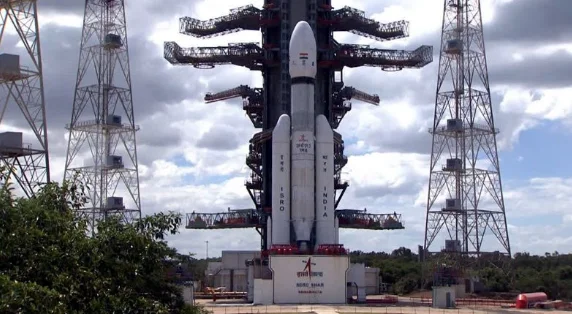
NEW DELHI, JULY 8: The Indian Space Research Organisation (ISRO) has successfully conducted the flight acceptance hot test of its CE20 cryogenic engine, which will power the seventh operational mission of the LVM3 launch vehicle (LVM-M7).
The test was carried out at the ISRO Propulsion Complex in Mahendragiri, Tamil Nadu, ISRO said in a statement on Tuesday.
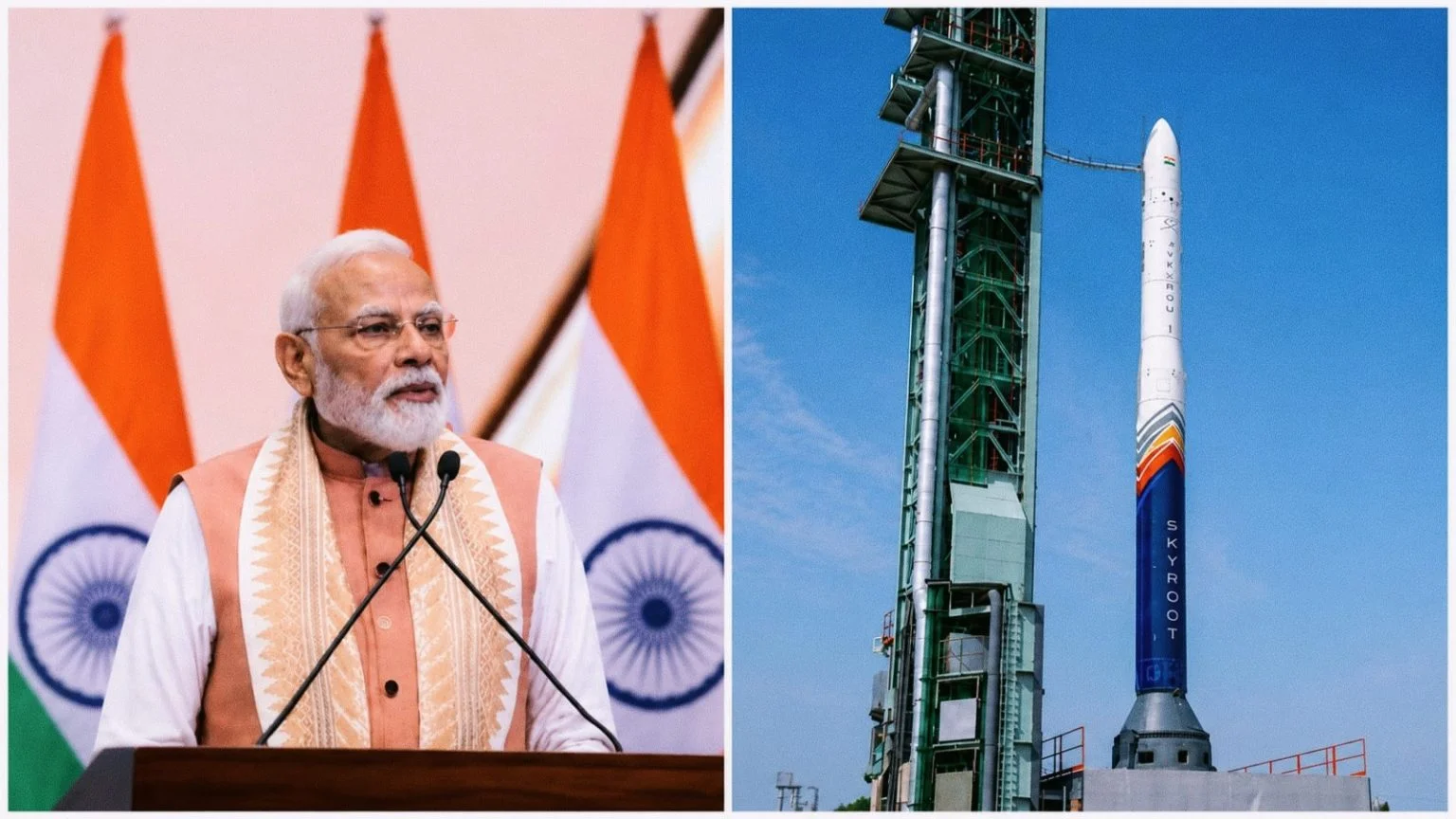
The LVM3, earlier known as the GSLV MkIII, is India’s heaviest launch vehicle and uses the CE20 cryogenic engine to power its upper stage. The engine has already demonstrated reliable performance in eight consecutive LVM3 missions, including the landmark Chandrayaan-2 and Chandrayaan-3 missions, along with three commercial launches.
ISRO stated that the CE20 engine is qualified to operate at thrust levels between 19 and 22 tonnes and has also completed human-rating qualification requirements for use in future Gaganyaan missions.
During the latest hot test, the engine was tested at a thrust level of 22 tonnes using the Nozzle Protection System (NPS) for the first time. The new system simplifies testing procedures under high-altitude conditions, reduces resource requirements and allows longer test durations.
“Test results confirm the satisfactory performance of the engine systems and NPS,” ISRO said.
The successful test marks another milestone in India’s space programme and strengthens preparations for the upcoming LVM3 mission.