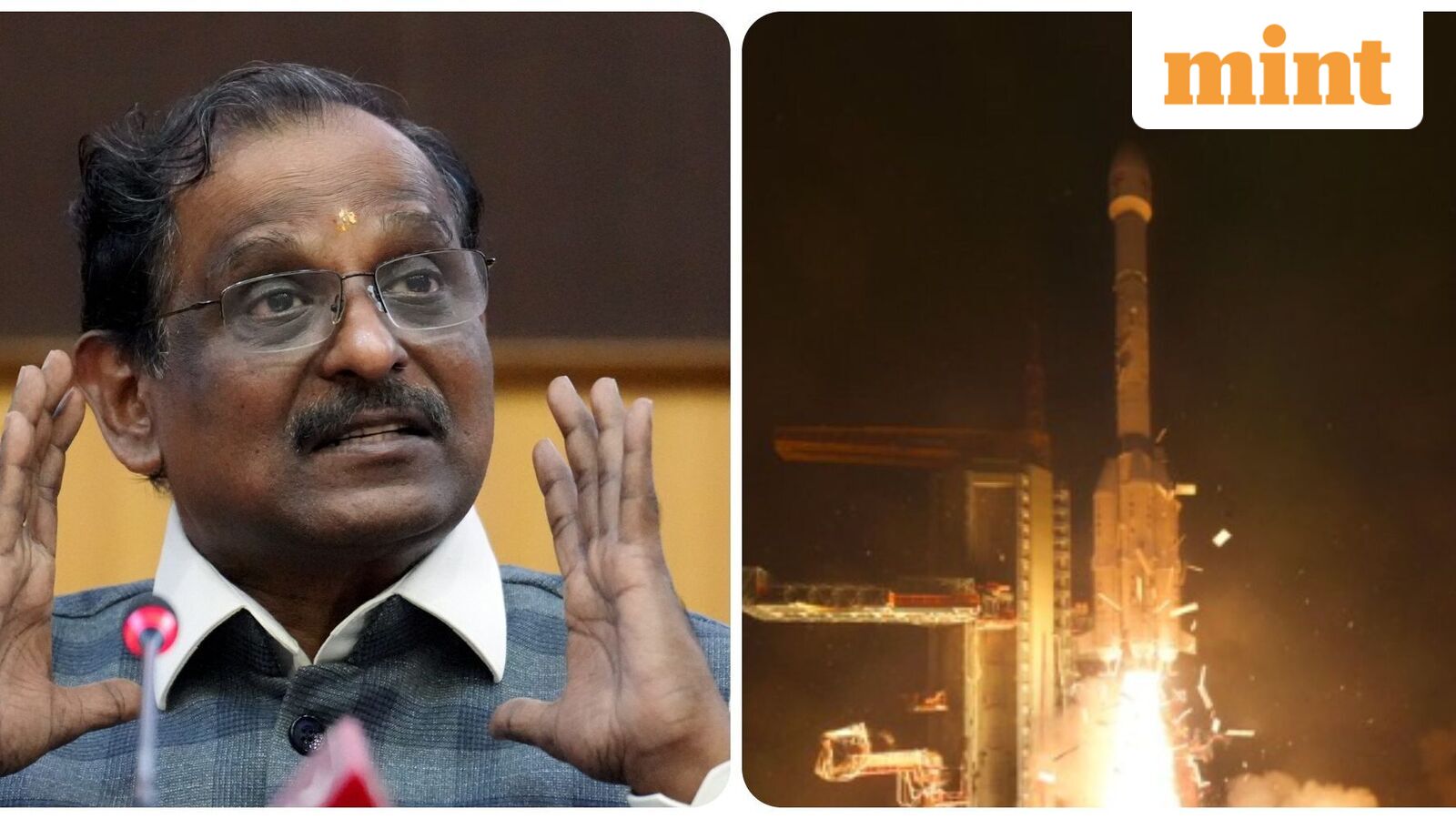
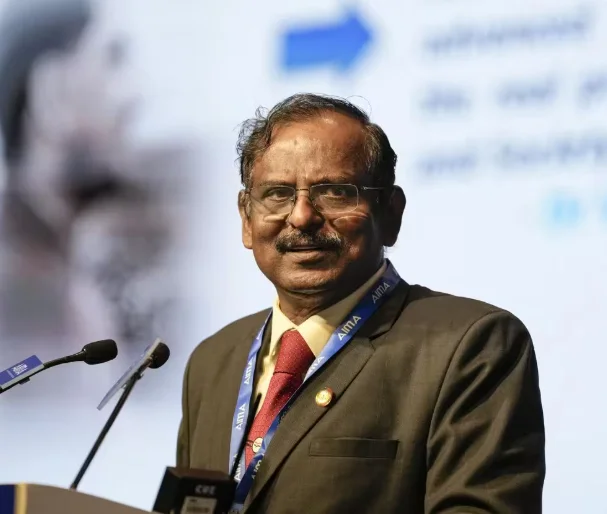
BENGALURU, Sept 7: ISRO Chairman V Narayanan on Monday dismissed concerns over the privatisation of the space agency, saying it remains a government organisation and is working with private companies and startups to expand India’s space ecosystem and space economy.
Narayanan’s remarks came days after nine employee associations at ISRO wrote to him seeking clarification over the proposed transfer of some manufacturing and operational functions to private entities.
Speaking to reporters after inaugurating the ninth edition of the Bengaluru Space Expo (BSX), Narayanan said India’s space programme is around 64-65 years old and currently has 56 space assets in orbit serving the country.
He said the growing requirements of the space sector made greater participation by private companies and startups necessary.
“Since the space sector reforms were rolled out six years ago, we are supposed to hand-hold the private sector, startup companies, and grow the space ecosystem,” Narayanan said.
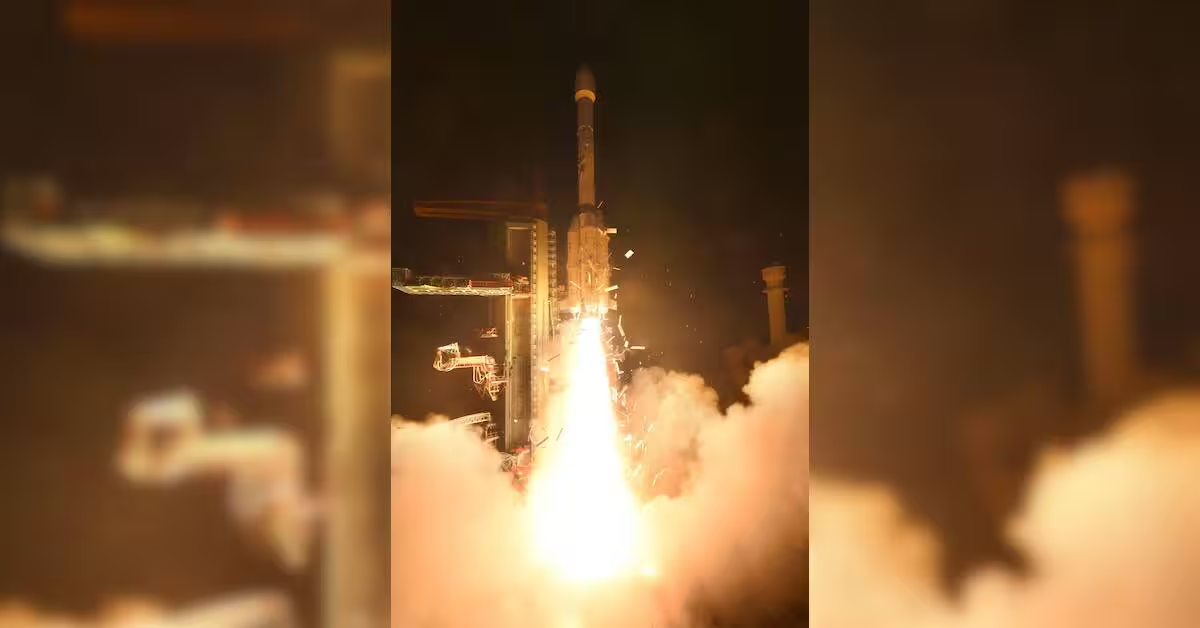
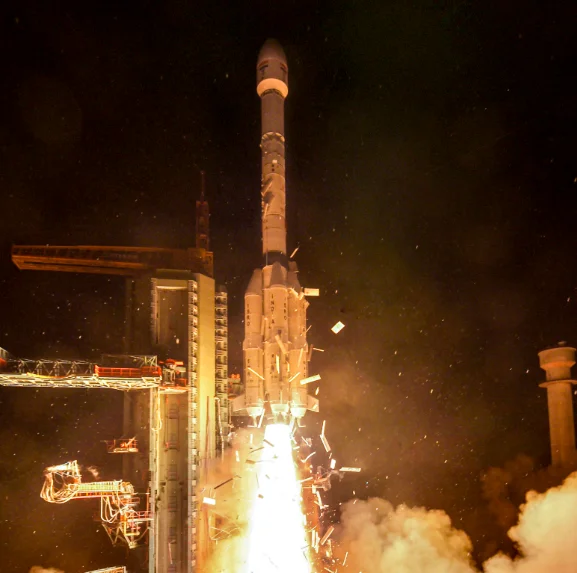
He pointed out that nearly 80 per cent of the budget involved in every PSLV or GSLV launch is invested in Indian industries, with around 450 industries currently working with ISRO.
Addressing concerns raised by employee associations, Narayanan said their apprehensions were genuine and assured that the organisation would clarify the issues.
“ISRO is not privatised and remains a government organisation,” he said, adding that the expansion of the country's space ecosystem and economy required greater collaboration with industry.
On reports of resignations by scientists, Narayanan said ISRO has around 20,000 employees, including more than 8,000 scientists, and around 150 employees have resigned annually over the past five to six years, which he described as normal for any organisation.
Narayanan also said India would need to significantly increase its launch capacity to meet the country’s growing space requirements.
“The country's requirement is around 50 launch vehicles per year. We have to go ahead,” he said, expressing confidence that the target of 50 launches annually would become a reality.
Recalling his early years in ISRO, he said that when he joined the organisation around 43 years ago, a launch took place only once in three years.
On international cooperation, Narayanan backed collaboration with other countries, including the US, particularly for lunar missions, saying such partnerships could help achieve better results at lower costs.
He also rejected concerns over budgetary constraints, saying the government had been allocating the funds requested by ISRO and was ready to provide additional funding if required.
Meanwhile, IN-SPACe Chairman Pawan Goenka said the organisation’s initiatives were fully aligned with the Indian space policy and there had been no deviation in the roles assigned to IN-SPACe and NewSpace India Limited (NSIL).
Goenka said there had been no slowdown or disruption in ISRO projects, which, he noted, were increasing in number.
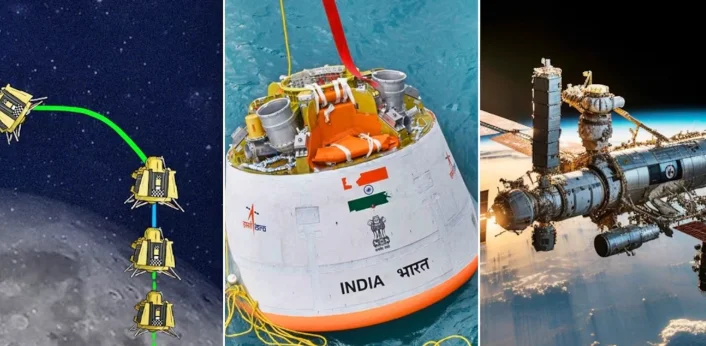
He cited projects including the Indian Space Station, Chandrayaan-4, a human mission to the Moon, missions to Venus and Mars, NavIC and satellite constellations.
“It is not ISRO versus industry. It is ISRO and industry taking on the world,” Goenka said.
He said India’s space economy is currently around USD 8 billion and the country is targeting USD 44 billion by 2033.
Such growth, he said, could not be achieved by ISRO or industry alone and would require close collaboration between the two, with ISRO continuing to provide substantial technological and institutional support.