Srinagar, October 13: The Jammu and Kashmir Waqf Board’s proposal to introduce common themes for Friday sermons at mosques and shrines across the Union Territory has triggered strong opposition from the National Conference (NC), Peoples Democratic Party (PDP) and the Muttahida Majlis Ulema (MMU).
The critics have questioned the Board’s authority to influence religious discourse, arguing that the management of religious institutions should not extend to prescribing what imams and preachers deliver from mosque pulpits.
NC spokesperson Imran Dar alleged that the proposal could allow the BJP to influence the content of Friday sermons in Kashmir. The Waqf Board is headed by BJP leader Darakhshan Andrabi.
In a post on X, Dar expressed concern that the move could determine which issues religious leaders discuss and how they present them. He said he was opposed to any attempt to control religious messaging and expressed confidence that prominent religious leaders, including Kashmir’s chief cleric Mirwaiz Umar Farooq, would resist the proposal.
PDP leader and legislator Muntazir Mehdi also criticised the move, stating that the Waqf Board’s primary responsibility was to manage religious institutions rather than dictate the subjects of sermons.
“Waqf’s job is management, not dictating sermons,” Mehdi said, stressing that imams and khateebs should be free to guide their communities without a prescribed agenda.
He urged the Board to focus on managing and maintaining religious properties while respecting the independence of religious scholars and the MMU.
The MMU, an umbrella organisation representing several religious and socio-religious groups in Jammu and Kashmir, also strongly opposed the proposal.
In a statement, the organisation said the mosque pulpit was a religious trust and that guidance delivered during prayers fell within the domain of Islamic scholars, imams and recognised religious institutions.
The MMU argued that a government-linked statutory body should not prescribe or script religious speeches. It distinguished between scholars voluntarily agreeing on common sermon themes to address social issues and an administrative authority imposing topics on religious leaders.
According to the organisation, the latter approach could amount to state interference in religious affairs and raise concerns about freedom of religious practice.
The MMU urged the Waqf Board to concentrate on the management, maintenance and protection of Waqf properties instead of creating controversy over religious sermons.
The controversy comes after the MMU separately announced plans last week to introduce coordinated Friday sermons beginning this Friday, focusing on pressing social concerns.
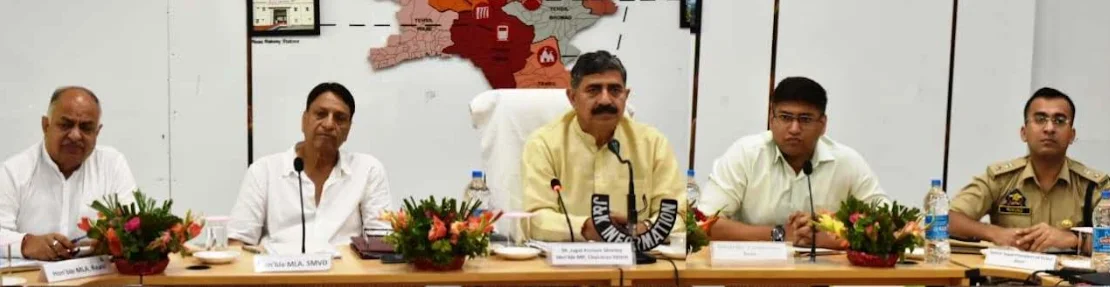
Meanwhile, the Waqf Board decided at a meeting on Saturday to establish a core committee comprising imams and Islamic scholars to finalise common themes for sermons delivered at mosques and shrines on Fridays and other religious occasions. The Board said the decision followed suggestions from religious leaders and scholars.
Common or centrally coordinated Friday sermons are practised in several Muslim-majority countries, including Saudi Arabia, the United Arab Emirates, Turkey and Egypt, where religious authorities provide sermon topics or prescribed texts.
The debate in Jammu and Kashmir has now centred on whether coordinated sermons can help address social concerns or whether the Waqf Board’s proposal risks interfering with the independence of religious institutions and scholars.