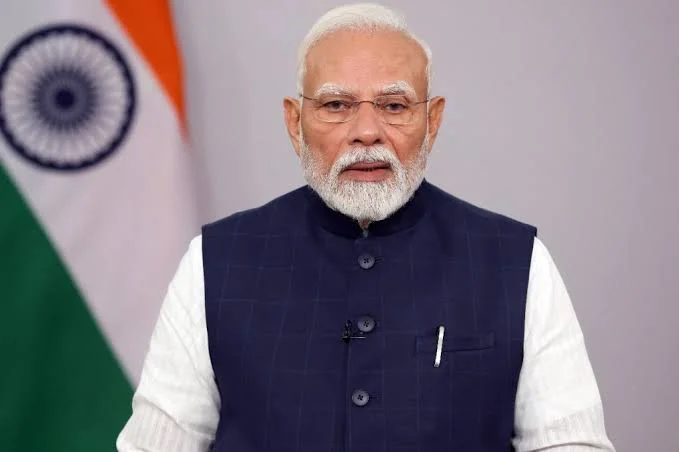
Tashkent, Aug 28: Prime Minister Narendra Modi's upcoming visit to Uzbekistan could give fresh impetus to the strategic partnership between New Delhi and Tashkent by translating existing agreements into concrete outcomes in trade, investment, connectivity and security, a former Uzbek envoy has said.
Modi will undertake a state visit to Tashkent from August 29-30 at the invitation of Uzbek President Shavkat Mirziyoyev, the Ministry of External Affairs said on Thursday. It will be his fourth visit to the Central Asian nation.
During the visit, Modi will hold delegation-level talks with Mirziyoyev to further strengthen the strategic partnership, with the two leaders expected to review cooperation in trade and investment, defence, digital connectivity, energy, education and people-to-people ties.
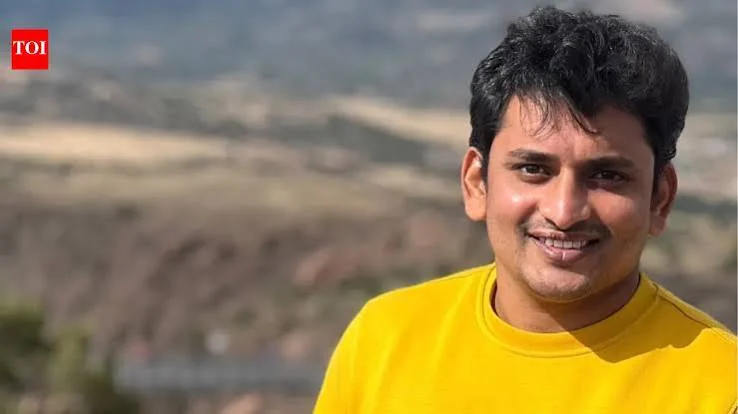
Abdusamat Khaydarov, former ambassador and director of the Diplomatic Academy at the University of World Economy and Diplomacy under Uzbekistan's Ministry of Foreign Affairs, told PTI over email that the visit could "open a new chapter" in bilateral relations.
He said the two countries had built a "solid legal and institutional framework" and a foundation of mutual trust over the past decade, but the partnership now needed greater practical substance.
"With bilateral trade reaching USD 1.3 billion in 2025, the current level of trade still falls short of the potential of the two countries," Khaydarov said.
He said an important outcome of Modi's visit could be the establishment of concrete mechanisms to achieve the agreed goal of doubling bilateral trade over the next three years.
Pharmaceuticals, textiles, agriculture, food processing, information technology and digital services could receive particular attention as areas with scope for greater commercial cooperation, he said.
Khaydarov also anticipates a more active role for Indian investors in Uzbekistan, saying Tashkent was expanding investment cooperation with leading countries and companies seeking to establish a presence in the Central Asian market.
"Uzbekistan, for its part, has considerable opportunities and is interested in creating favourable conditions for Indian investment and the implementation of long-term investment projects," he said.
He said cooperation in healthcare, education, human capital development, science and technology and social projects could also receive fresh momentum during the visit.
India is already involved in development projects in Uzbekistan, including in healthcare and education, and the next step could be to move towards larger joint initiatives aimed at human capital development and improving quality of life, Khaydarov said.
On connectivity, he said the International North-South Transport Corridor (INSTC) could play a greater role in linking India with Central Asia, though its full utilisation remained dependent on the normalisation of the international situation surrounding Iran.
The INSTC is a 7,200-kilometre multi-modal network of ship, rail, and road routes designed to move freight between India, Iran, Russia, Central Asia and Europe.
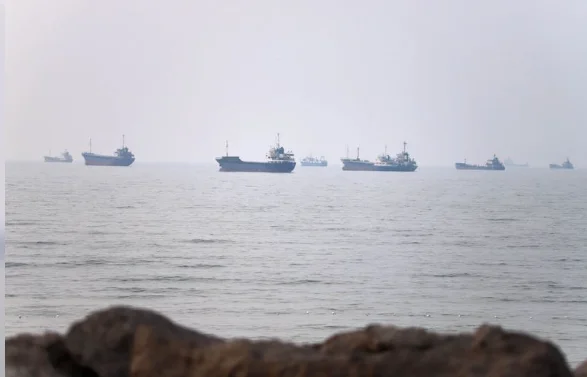
Iran’s Chabahar Port is a vital maritime gateway for the INSTC, allowing Indian trade to reach Central Asia while bypassing Pakistan.
However, New Delhi's strategic operations at the port face severe uncertainty following the expiration of the US sanctions waiver in April 2026 and the launch of a war by the US and Israel against Iran.
"In the longer term, Chabahar could become one of the practical channels connecting Central Asia with the Indian Ocean and the markets of South Asia," Khaydarov added.
Khaydarov also suggested developing diversified transport links between Central and South Asia, with Uzbekistan's Termez and its International Trade Centre potentially serving as a hub for expanding trade ties, including with Indian businesses.
Khaydarov said security cooperation would remain another important pillar of the relationship, with existing cooperation in joint military exercises, personnel training and counterterrorism providing a basis for deeper engagement.
Potential areas include cybersecurity, military education and training, exchange of expertise, countering transnational threats and the use of advanced technologies, he said.
"The principal outcome of the visit, in my view, should not be measured by the number of documents signed, but rather by the establishment of concrete mechanisms for implementing agreements already reached," Khaydarov said.
He said logistical constraints, including the absence of a direct overland route between the two countries, could partly be offset by greater cooperation in digital services, information technology and biotechnology.
A more substantive partnership in trade, investment, joint production, security and connectivity could also make India-Uzbekistan ties an important element of broader connectivity between Central and South Asia, he said.
Uzbekistan is actively developing its rare earth industry to move beyond raw material exports and create higher-value products through new projects, technical development and international partnerships, the MEA said on Thursday.
The ministry highlighted deep people-to-people ties between the two countries, noting that more than 16,000 Indian students are currently studying in Uzbekistan, adding that there are four Indian university campuses operating in Uzbekistan.
During his visit, Modi is also expected to visit the Shastri Memorial in Tashkent and the Mahatma Gandhi Centre at the Tashkent State University of Oriental Studies.
From Tashkent, Modi will travel to Kyrgyzstan to attend the 26th Shanghai Cooperation Organisation (SCO) Summit from August 31 to September 1.